

Most Popular Custom Home Floor Plans (and Why They Work)
One of the biggest advantages of building a custom home is designing a floor plan that fits your lifestyle — not the other way around. While every custom home is unique, certain floor plan layouts continue to be popular because they offer functionality, flexibility, and long-term value.
Below are the most popular custom home floor plans and why homeowners consistently choose them.
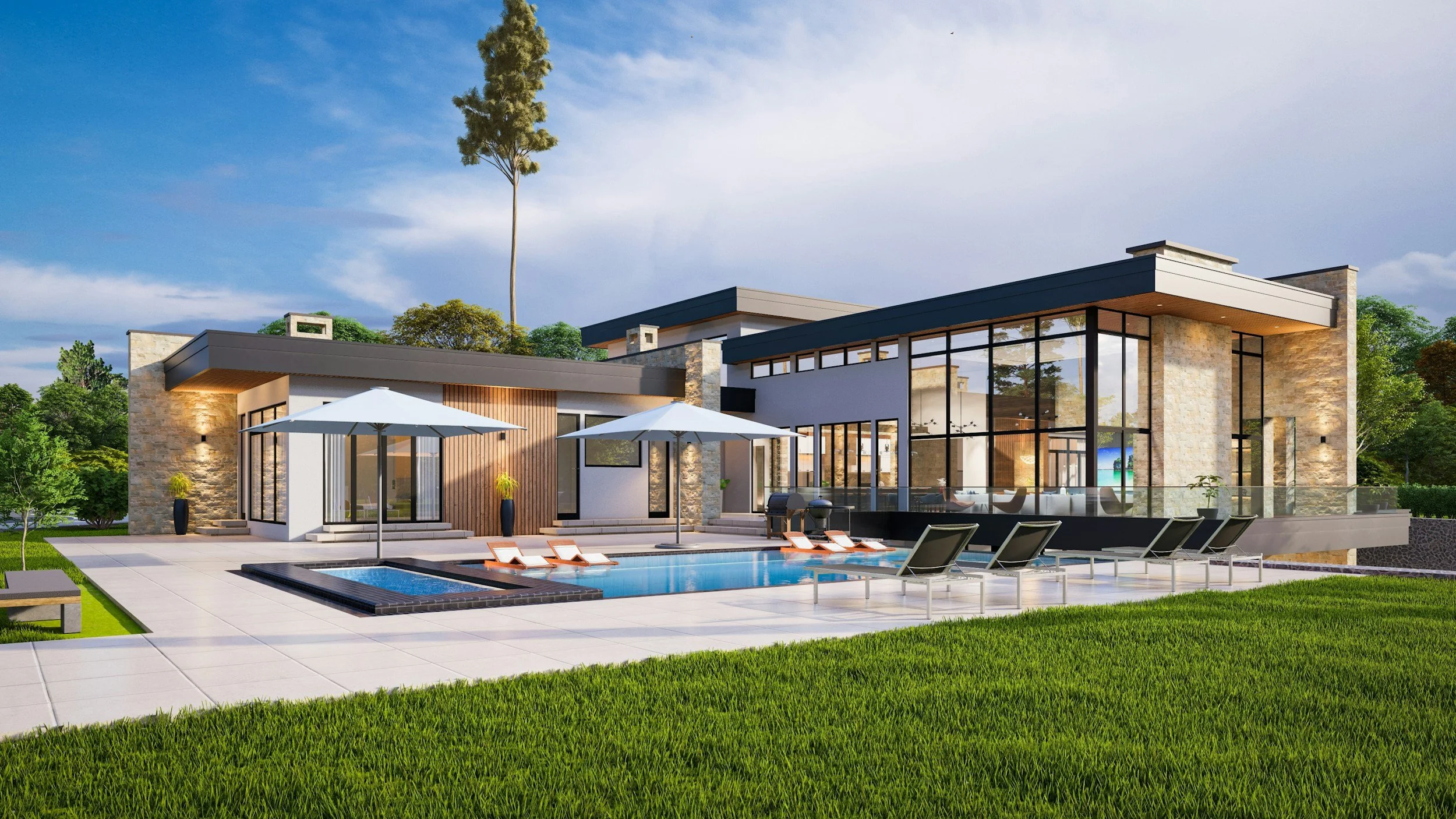
1. Open-Concept Floor Plans
Why they’re popular:
Open-concept layouts create a seamless flow between the kitchen, dining, and living areas, making homes feel larger, brighter, and more connected.
Best for:
Entertaining
Families with children
Maximizing natural light
Modern and transitional homes
Key features:
Large kitchen islands
Minimal interior walls
Easy indoor-outdoor connection
💡 Custom advantage: Builders can still define spaces using ceiling treatments, beams, or flooring changes — without closing off the layout.
2. Split Bedroom Floor Plans
Why they work:
Split bedroom layouts place the primary suite on one side of the home and secondary bedrooms on the other, offering privacy and noise separation.
Best for:
Families with kids
Multigenerational living
Homeowners who value privacy
Key features:
Primary suite separated from guest or kids’ rooms
Quiet, private retreat for homeowners
Ideal for one-story custom homes
3. Single-Story (Ranch-Style) Floor Plans
Why they’re in demand:
Single-story custom homes offer convenience, accessibility, and long-term livability.
Best for:
Empty nesters
Aging-in-place homeowners
Anyone wanting no stairs
Key features:
Easy access to all rooms
Efficient layout
Strong resale appeal in many markets
💡 Custom advantage: High ceilings, vaulted living areas, and expansive windows prevent one-story homes from feeling flat or boxy.
4. Two-Story & Master-on-Main Floor Plans
Why homeowners love them:
These layouts balance space efficiency with privacy by placing common areas and the primary suite on the main level, while secondary bedrooms are upstairs.
Best for:
Growing families
Smaller lots
Homeowners who want separation between living and sleeping spaces
Key features:
Main-level primary suite
Kids’ rooms or guest suites upstairs
Flexible bonus rooms
5. Multi-Generational Floor Plans
Why they’re growing in popularity:
More families are building homes that accommodate parents, adult children, or long-term guests.
Best for:
Extended families
Long-term guests
Homeowners planning for future needs
Key features:
In-law suites
Separate entrances
Private living areas or kitchenettes
💡 Custom advantage: These layouts can be designed for flexibility, allowing spaces to evolve over time.
6. Home Office & Flex Space Floor Plans
Why they matter now:
Dedicated work-from-home spaces have become a must-have.
Best for:
Remote workers
Entrepreneurs
Hybrid work schedules
Key features:
Sound insulation
Natural light
Separation from high-traffic areas
Flex rooms can also serve as:
Gyms
Media rooms
Playrooms
Guest bedrooms
7. Indoor-Outdoor Living Floor Plans
Why they stand out:
These layouts blur the line between interior and exterior living spaces.
Best for:
Entertainers
Warm or moderate climates
Luxury custom homes
Key features:
Large sliding or folding glass doors
Covered patios
Outdoor kitchens and fireplaces
How to Choose the Right Custom Home Floor Plan
The best floor plan isn’t about trends — it’s about how you live.
Ask yourself:
How many people will live in the home?
Do you entertain often?
Do you need quiet workspaces?
Are you planning to stay long-term?
Do you want flexibility for future changes?
A skilled custom home builder will help translate your lifestyle into a layout that works now — and years down the road.
Custom Floor Plans vs Pre-Designed Plans
While pre-designed plans can be a starting point, custom floor plans offer:
Better lot utilization
Personalized room sizes
Improved flow and functionality
Long-term satisfaction
Even modifying an existing plan can dramatically improve how a home lives.
Ready to Design Your Custom Floor Plan?
If you’re considering building a custom home, the right floor plan is the foundation of everything that follows. Working with an experienced custom builder ensures your home is designed around your lifestyle, budget, and future plans.
📞Contact us today (919) 268-9270
